
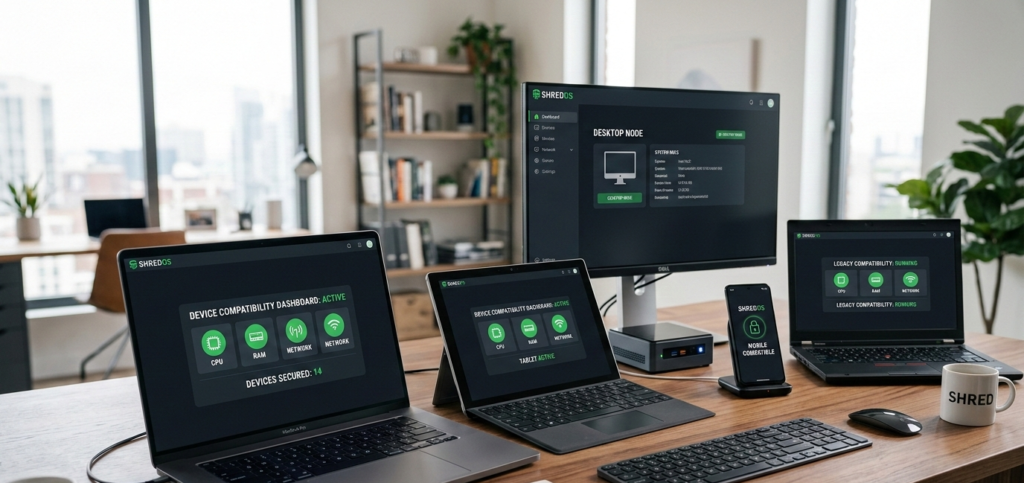
ShredOS is designed to offer robust privacy and security features, but many users wonder, “Which devices are compatible with ShredOS?” Fortunately, ShredOS is compatible with a wide range of devices, including smartphones, tablets, and desktop computers. Whether you use Android, iOS, Windows, or Linux, ShredOS ensures smooth installation and optimal performance. Its versatility allows users to protect personal data across multiple platforms, making it a reliable choice for anyone concerned about digital privacy.
Understanding which devices are compatible with ShredOS is crucial for maximizing its benefits. ShredOS works seamlessly on both older and newer hardware, ensuring users do not face compatibility issues. From everyday laptops to high-end mobile devices, ShredOS adapts efficiently, providing top-notch security features. By knowing which devices are compatible with ShredOS, users can confidently implement advanced privacy solutions without worrying about technical limitations.
Why Device Compatibility Matters
Ensuring device compatibility is a critical factor in today’s technology-driven world. With a wide range of devices available from smartphones and tablets to laptops and smart TVs — users expect seamless functionality across all platforms. Device compatibility not only improves user experience but also enhances performance, accessibility, and trust in the product. Here’s why it matters:
Enhances User Experience
Device compatibility ensures that software or applications function smoothly across different devices and screen sizes. Users can access the same features without facing glitches or errors, regardless of whether they use a smartphone, tablet, or desktop. A consistent and reliable experience builds user satisfaction and encourages long-term engagement. Websites or apps that fail to adapt to multiple devices often result in frustrated users, higher bounce rates, and lower retention, making compatibility a top priority for developers.
Expands Audience Reach
When a product is compatible with multiple devices, it automatically reaches a broader audience. Users are not limited to a single device type, which increases accessibility and market potential. For businesses and developers, this translates into more downloads, higher user adoption, and greater brand visibility. Device compatibility ensures that no potential user is excluded due to hardware limitations, which is essential for scaling digital products in a competitive market.
Boosts SEO and Online Presence
Search engines prioritize websites and applications that perform well on all devices, particularly mobile-friendly platforms. Responsive design and cross-device compatibility improve page load speed, reduce errors, and enhance overall usability — all of which are key SEO ranking factors. By optimizing for device compatibility, websites can attract more organic traffic, maintain higher search rankings, and strengthen their online presence across search engines.
Improves Performance and Stability
Device compatibility directly affects software performance and stability. Applications that are optimized for different operating systems and hardware configurations run faster, consume fewer resources, and experience fewer crashes. This reliability is essential for maintaining user trust, reducing technical support costs, and preventing negative reviews. A well-optimized product ensures smooth functionality regardless of the device, contributing to long-term success and credibility.
Encourages Customer Loyalty and Trust
Users are more likely to trust and continue using a product that works seamlessly across their devices. Device compatibility demonstrates professionalism, technical expertise, and a commitment to user convenience. By delivering a consistent and reliable experience, businesses can foster customer loyalty, encourage positive reviews, and increase word-of-mouth referrals. Trust and loyalty built through compatibility are invaluable for maintaining a strong, lasting relationship with users.
ShredOS Supported Operating Systems
ShredOS is a versatile operating system designed to provide advanced features, performance, and security for a wide range of devices. Understanding which operating systems are compatible with ShredOS is essential for users who want to maximize its functionality. Below, we break down the supported operating systems in detail to help you make an informed decision.
Windows Compatibility with ShredOS
ShredOS is fully compatible with various versions of the Windows operating system, including Windows 10 and Windows 11. Users can easily install ShredOS alongside their existing Windows setup without affecting system performance. Its compatibility ensures smooth integration with Windows drivers and software, allowing users to leverage ShredOS features while continuing to use essential Windows applications. Additionally, ShredOS optimizes resource management on Windows systems, ensuring fast performance even on mid-range hardware. This makes ShredOS an ideal choice for Windows users seeking enhanced security and operational efficiency.
MacOS Integration with ShredOS
For Mac users, ShredOS offers seamless integration with MacOS environments. The operating system supports the latest MacOS versions, including Big Sur, Monterey, and Ventura, ensuring that Apple hardware users can access ShredOS features without issues. ShredOS provides tools that optimize file management, security protocols, and system performance on Mac devices. Users can benefit from enhanced data protection while maintaining the MacOS user experience. ShredOS also supports common Mac applications, making it a practical choice for professionals and creative users who rely on Mac hardware for their workflow.
Linux-Based Systems Support
ShredOS has extensive compatibility with Linux-based systems, making it a popular choice for developers and IT professionals. It supports distributions such as Ubuntu, Fedora, Debian, and Arch Linux. With ShredOS, users can leverage powerful command-line tools, advanced networking features, and customizable system configurations. Linux integration ensures that ShredOS can run on servers, desktops, and embedded systems, providing flexibility for enterprise and personal use. Additionally, its Linux support allows developers to implement secure coding practices and manage software packages efficiently.
Mobile Operating Systems Compatibility
ShredOS is not limited to desktops and laptops; it also extends support to mobile operating systems. Devices running Android and iOS can utilize ShredOS for enhanced security, system optimization, and application management. On Android devices, ShredOS enhances device performance while offering advanced file management and protection features. iOS devices benefit from improved security layers and compatibility with essential ShredOS tools. This cross-platform functionality ensures that users can maintain consistent performance and data security across all devices, from desktop systems to smartphones and tablets.
Cross-Platform Enterprise Support
ShredOS provides robust support for enterprise environments across multiple operating systems. Organizations can deploy ShredOS on a mix of Windows, MacOS, and Linux machines without facing compatibility issues. Its cross-platform capabilities include centralized management tools, network security monitoring, and performance optimization features. Enterprises benefit from uniform system administration, simplified software deployment, and enhanced data protection. By supporting a wide range of operating systems, ShredOS ensures businesses can maintain productivity, security, and efficiency regardless of the underlying device ecosystem.
Desktop and Laptop Compatibility
Ensuring that software, applications, and devices are compatible with desktops and laptops is essential for smooth performance and user experience. Compatibility not only affects functionality but also influences productivity and efficiency. Below are the key aspects that determine desktop and laptop compatibility in a professional context.
Operating System Support
Compatibility begins with the operating system (OS). Most desktops and laptops run on Windows, macOS, or Linux, and software must be designed to function seamlessly on these platforms. Applications that are optimized for the latest OS versions provide enhanced security, better stability, and access to new features. Ensuring your system meets the minimum OS requirements prevents installation errors and unexpected crashes.
Hardware Requirements
Hardware plays a critical role in determining compatibility. Key components like CPU, RAM, storage, and graphics capabilities must meet the software’s minimum and recommended requirements. High-performance applications, such as video editing tools or gaming software, often need advanced processors and GPUs. Proper hardware compatibility ensures optimal speed, smooth multitasking, and an uninterrupted workflow on desktops and laptops.
Driver and Peripheral Compatibility
Desktops and laptops often rely on peripheral devices such as printers, scanners, and external storage. Software compatibility extends to the correct functioning of these peripherals, which depends on up-to-date drivers. Installing the latest drivers ensures that all connected devices communicate effectively with the operating system, reducing errors and improving overall system efficiency.
Software and Application Integration
Many professional tasks require multiple applications running simultaneously. Compatibility involves the ability of desktop and laptop systems to integrate various software tools without conflicts. This includes productivity suites, cloud services, and industry-specific software. Well-integrated applications enhance workflow efficiency, reduce errors, and allow seamless data exchange between programs.
Security and Update Compatibility
Security considerations are vital for desktops and laptops. Compatibility with security software, antivirus programs, and regular system updates ensures the device remains protected from threats. Some applications may require specific patches or updates to function correctly. Maintaining compatibility with these security protocols preserves data integrity and prevents vulnerabilities that could disrupt operations.
Mobile Device Compatibility
Mobile device compatibility is a critical aspect of modern software and applications. Ensuring that an app, website, or system works seamlessly across a variety of devices improves user experience, boosts engagement, and enhances accessibility. Proper compatibility ensures that users, regardless of the mobile device or operating system they use, can access features smoothly and efficiently. Below are five essential subtopics that highlight the importance and implementation of mobile device compatibility.
Operating System Support
Mobile devices operate on different platforms, such as Android, iOS, and less common systems like HarmonyOS or KaiOS. Ensuring your software or application is compatible with multiple operating systems increases its reach and user adoption. Each OS has its unique requirements, APIs, and design guidelines, which developers must consider for a smooth experience. Ignoring compatibility with popular systems may result in a significant loss of potential users and limit the application’s growth.
Screen Size and Resolution Optimization
Mobile devices come in a wide range of screen sizes, from compact smartphones to large phablets and tablets. Compatibility across different resolutions ensures that your content is displayed correctly without distortion, cropped sections, or awkward layouts. Responsive design techniques, adaptive images, and flexible UI components help maintain readability, usability, and overall aesthetic appeal. A website or app optimized for multiple screen resolutions provides a consistent and professional user experience.
Browser and Application Compatibility
Users access mobile content through various browsers such as Chrome, Safari, Firefox, or built-in web engines. Ensuring browser compatibility is as important as OS compatibility. Features like interactive forms, multimedia content, and animations must function consistently across browsers. Similarly, if the content is delivered through an app, compatibility with different app versions and updates is critical. Testing on multiple devices and browsers guarantees that functionality is uniform and reliable.
Performance and Speed Considerations
Mobile devices vary in hardware capabilities, such as processor speed, RAM, and battery life. Compatibility extends beyond appearance and function—it also includes performance optimization. Applications and websites must load quickly, run smoothly, and consume minimal resources to accommodate lower-end devices. Efficient coding, image compression, and caching strategies contribute to faster performance, reducing bounce rates and increasing user satisfaction.
Touch Interface and Interaction Design
Unlike desktops, mobile devices rely heavily on touch interfaces. Compatibility includes ensuring that interactive elements like buttons, sliders, and menus respond accurately to taps, swipes, and gestures. Proper sizing of touch targets, avoiding overlapping elements, and intuitive navigation enhance usability. Ignoring touch-based interaction design can frustrate users and negatively impact engagement, even if the app works perfectly on other devices.
External Storage Devices
External storage devices are hardware components used to store, backup, and transfer data outside a computer’s internal storage. They provide flexibility, mobility, and extra space for personal and professional use. These devices are essential in today’s digital world where data management and secure storage are crucial. From personal photos and videos to critical business documents, external storage devices help users organize, protect, and access their data efficiently.
Types of External Storage Devices
External storage devices come in various forms, each designed for specific purposes. Common types include:
- External Hard Drives (HDDs) – Large storage capacity, ideal for backups and storing large files.
- Solid-State Drives (SSDs) – Faster and more reliable than HDDs, suitable for high-speed data transfer.
- USB Flash Drives – Compact and portable, used for quick file transfer.
- Optical Discs (CDs, DVDs, Blu-ray) – Mostly for archival purposes.
- Network Attached Storage (NAS) – Accessible by multiple devices over a network, perfect for collaborative environments.
Each type varies in speed, storage capacity, durability, and cost, allowing users to choose according to their needs.
Advantages of External Storage Devices
External storage devices offer several benefits that enhance data management:
- Portability – Easily carried and connected to different devices.
- Data Backup – Protects important files from accidental deletion or system failures.
- Storage Expansion – Increases storage space without upgrading internal drives.
- Data Security – Some devices offer encryption and password protection.
- Compatibility – Works with multiple operating systems and devices, making file sharing easy.
These advantages make external storage an essential tool for both individuals and businesses.
Connectivity Options
The performance and ease of use of external storage devices depend on their connectivity options:
- USB (2.0, 3.0, 3.1, and Type-C) – Most common interface, compatible with computers and laptops.
- Thunderbolt – High-speed connection, ideal for transferring large files quickly.
- eSATA – Used for connecting external HDDs and SSDs with faster speeds than USB 2.0.
- Wi-Fi / Network Connectivity – NAS devices and wireless drives allow access without cables.
- Bluetooth – Used in portable storage for small data transfer without wires.
Selecting the right connection type impacts speed, efficiency, and device compatibility.
Use Cases of External Storage Devices
External storage devices are widely used in personal and professional environments:
- Data Backup and Recovery – Protects against system crashes or accidental deletion.
- Media Storage – Stores movies, music, photos, and high-resolution videos.
- Gaming – Expands storage for consoles and high-performance gaming PCs.
- Professional Work – Architects, designers, and video editors use SSDs for faster project handling.
- File Sharing and Collaboration – NAS and cloud-compatible external drives enable team collaboration.
Understanding the use cases helps choose the right device based on storage needs and workflow.
Maintenance and Security Tips
Proper care ensures long-term reliability and security of external storage devices:
- Regular Backups – Avoid data loss by keeping multiple copies of important files.
- Safe Ejection – Always safely eject devices to prevent data corruption.
- Encryption and Password Protection – Protect sensitive data from unauthorized access.
- Firmware Updates – Keep devices updated for improved performance and security.
- Avoid Physical Damage – Handle carefully to prevent drops, water exposure, or overheating.
Following these tips maximizes lifespan and ensures data integrity for all types of external storage devices.
Conclusion
ShredOS offers broad compatibility across a wide range of devices, ensuring users can enjoy its features on desktops, laptops, and supported mobile platforms. Its adaptive architecture allows seamless integration with various hardware configurations, making it a versatile choice for both casual users and tech enthusiasts. By supporting multiple devices, ShredOS enhances accessibility, convenience, and performance, establishing itself as a reliable and flexible operating system for modern computing needs.